About Delta Proximity Sensor
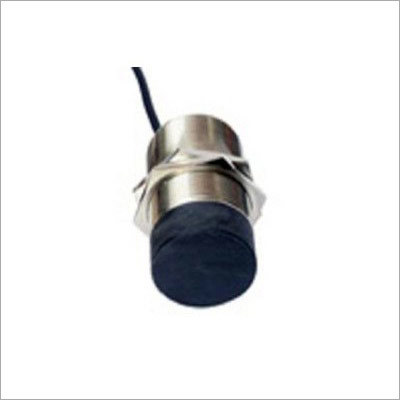
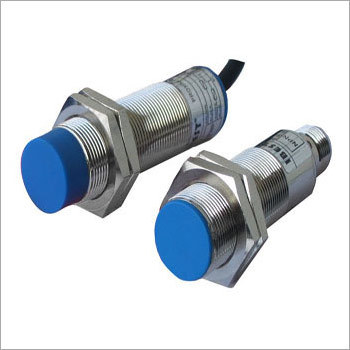
Delta Proximity Sensor may detect a target via sound, light, infrared radiation, or electromagnetic fields. Phones, recycling factories, self-driving vehicles, anti-aircraft systems, and assembly lines all employ proximity sensors. The IH sensors proximity switches are ideal for non-contact position control and monitoring in automated processes and machinery. Our provided Delta Proximity Sensor is appropriate for harsh climatic situations with high ambient temperatures. This is inductive proximity switch that is non-contact. This is tough sensor that detects the presence of metal. It is also employed in a variety of other applications, such as burglar alarms.
Specifications:
|
Phase
|
Single Phase
|
|
Voltage
|
20-250 V AC
|
|
Max Load current
|
Less Than 500mA
|
|
Voltage Drop
|
Less Than 5V AC
|
|
Leakage Current
|
Less Than 1.5mA
|
|
Indication
|
LED
|
Reliable Non-Contact Detection for Automated ProcessesDelta Proximity Sensors offer advanced object detection suited for modern automation. With high switching speeds and excellent repeat accuracy, these sensors effectively monitor and control production lines, robotic arms, and position sensing systems. Their immunity to ambient light and robust protection circuitry ensure stable operation in challenging industrial conditions, improving uptime and process consistency.
Flexible Design to Meet Varied Application NeedsChoose from cylindrical or rectangular housings, with options for plastic or metal sensing faces to match your installation environment. With flush and non-flush mounting compatibility, pre-wired or M12 connector interfaces, and selectable PNP/NPN outputs, these sensors adapt seamlessly to existing setups and diverse application requirements.
Built for Durability and Easy InstallationEngineered with IP67-rated protection, Delta Proximity Sensors resist water, dust, and harsh cleaning procedures. They operate efficiently between -25C and +70C, with reliable performance in high-humidity (35%-95% RH) environments. Integrated LED indicators and protection features like short circuit and reverse polarity protection simplify setup and maintenance.
FAQ's of Delta Proximity Sensor:
Q: How does the Delta Proximity Sensor ensure accurate object detection in industrial automation?
A: The sensor delivers high precision, with repeat accuracy of 1% of the sensing distance and a resolution up to 0.01 mm. Its fast response time (<1 ms) and high ambient light immunity make it suitable for critical automation tasks, ensuring reliable detection even in challenging environments.
Q: What are the installation and mounting options for this proximity sensor?
A: Delta Proximity Sensors are available in both cylindrical and rectangular housings, supporting flush or non-flush mounting. Connection is straightforward, using either pre-wired cables or an M12 connector, making integration into existing systems simple and flexible.
Q: When is it necessary to adjust the sensitivity, and how can this be done?
A: Sensitivity adjustments are recommended when switching between different object materials or sizes within the sensor's range (2-20 mm). Adjustment can be performed using onboard controls designed for easy configuration, allowing optimal performance for your specific application.
Q: Where can Delta Proximity Sensors be effectively used?
A: These sensors are ideally suited for industrial automation, conveyor systems, robotics, metal detection, and position sensing tasks. Their robust construction (ABS plastic/metal housing, IP67 rating) allows for dependable operation even in high-moisture or dusty environments.
Q: What protection features do these sensors offer for safe and reliable operation?
A: Delta Proximity Sensors are equipped with overload, surge, short-circuit, and reverse polarity protection. These built-in safeguards prevent sensor damage and ensure consistent operation, reducing maintenance needs and downtime.
Q: How does the LED status indicator benefit users during operation and troubleshooting?
A: The integrated red/green LED provides immediate visual feedback on the sensor's operational status or output state, making setup and troubleshooting fast and intuitive for operators and maintenance staff.

 Send Inquiry




 Send Inquiry


 Send Inquiry